
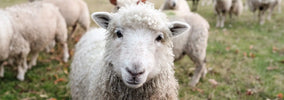
What is mulesing and why don't you want this?
, by Maike Bouwman , 1 min reading time
, by Maike Bouwman , 1 min reading time
We believe it's important that our wool is produced fairly and sustainably. With products made from merino wool, you have to be aware of a nasty practice in the wool industry called mulesing. While it's a relatively unknown concept for many, it has a significant impact on sheep welfare and wool quality.
Mulesing is a practice used in the wool industry to prevent fly larvae. It involves cutting away the skin around a sheep's rump, creating a wound that is less attractive to flies for laying their eggs. Unfortunately, this practice is not only very painful for the sheep but also unsustainable and unethical. Mulesing is prohibited in Europe and New Zealand, but it still occurs in Australia (the largest wool supplier).
As a consumer, it's important to know the conditions under which wool was produced. When buying wool, it's therefore essential to look for suppliers who are committed to ethical production processes and who don't use wool from mulesed sheep.
Our supplier is a large and well-known supplier in the market, and also supplies other well-known wool brands. The supplier is a RWS (Responsible Wool Standard)-certified wool producer. This guarantees the welfare of the sheep and proper management of the land where sheep graze. In addition, the producer holds an EU Ecolabel , a prestigious label awarded by the European Commission to companies that meet the highest environmental standards.
If you're looking for wool that's not only beautiful but also responsibly produced, you've come to the right place. By choosing ethical wool products, you're not only contributing to the welfare of sheep but also to the sustainability of the wool industry.


